Homeowners weigh DIY lawn care options over pros
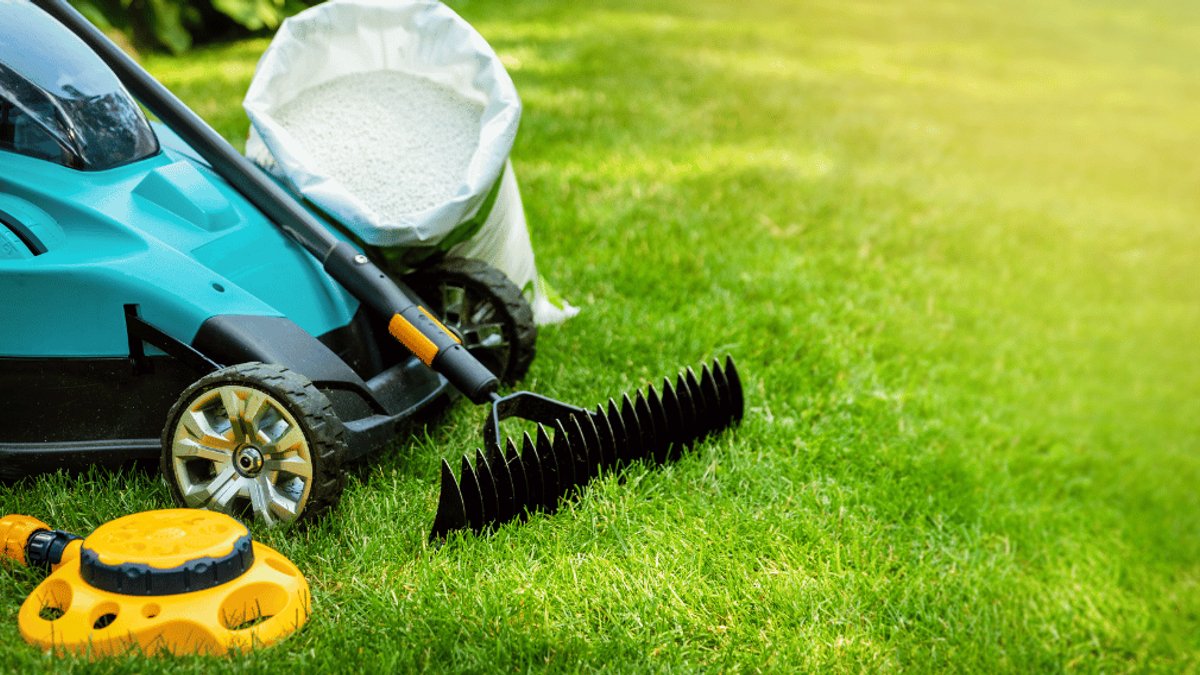
A healthy lawn does not require hiring a professional service. DIY lawn care programs provide customizable and cost-effective alternatives to traditional maintenance, though outcomes depend on the chosen approach. While monthly professional services cost about $150, individual tasks such as hydroseeding range from $0.05 to $0.08 per square foot, and full aeration treatments cost between $150 and $250. The trade-off lies in hidden fees and long-term commitments tied to professional services, whereas DIY programs allow homeowners to manage timing, budget, and product ingredients independently.
Four providers offer tailored solutions. Lawnbright specializes in organic treatments, using ingredients like North Atlantic sea kelp and blackstrap molasses. Its annual plans range from $120 to $330, emphasizing eco-friendly maintenance. Lawn Serv provides the most budget-friendly option, capping annual costs at $309 even for larger properties, though its base plans exclude weed control. For lawns affected by disease, Turf Box focuses on targeted solutions, addressing weeds, pests, and brown patches through customizable programs priced between $183 and $309 per year. These services enable homeowners to skip professional visits entirely, ordering supplies online and applying treatments on their own schedule.
Lawn care solutions are not universal. Effectiveness depends on three key factors: the lawn’s current condition, the homeowner’s goals, and available budget. Soil type, grass variety, and existing issues—such as weeds or fungal growth—determine which treatments will work best. For example, a lawn overrun with weeds requires a program with integrated weed control, while a brown but weed-free yard may need disease-specific fertilizers. Organic-focused services like Lawnbright align with environmental priorities, while others prioritize rapid visual improvements.
DIY vs. Professional: Cost and Flexibility
Time and cost play equally important roles. Monthly professional services average $150, but DIY programs eliminate recurring fees. Convenience also varies: some services ship treatments directly, while others require in-person purchases. Payment plans and discounts further reduce expenses, making DIY care accessible even on tight budgets.
One advantage of DIY programs is their adaptability. Unlike fixed professional visits, homeowners can pause, adjust, or expand treatments based on seasonal changes or unexpected issues. For instance, a sudden pest outbreak allows for immediate purchases of targeted products without waiting for a scheduled service call. This responsiveness is particularly valuable in regions with unpredictable weather or soil conditions.
The choice between DIY and professional care depends on balancing control and convenience. DIY programs demand more effort, homeowners must monitor progress, troubleshoot problems, and maintain consistency with applications. However, this hands-on approach yields long-term savings and allows for tailored care to meet specific needs, from organic preferences to budget constraints.
How Lawn Size Affects Your Budget
Lawn Serv’s annual pricing structure, $140 to $1,000, highlights another consideration: scale. Larger lawns may require bulk purchases or extended programs, but costs rarely exceed $309. In contrast, professional services often scale linearly with property size, making DIY the more predictable option for expansive yards.
For homeowners seeking immediate results, Turf Box offers pre-diagnosed solutions. Its custom programs address common issues like fungal spots or invasive weeds, reducing trial-and-error guesswork. These targeted plans cost slightly more upfront, $183 to $309, but eliminate the need for multiple products or repeated applications.
Lawnbright’s organic approach appeals to those concerned about chemical exposure or environmental impact. It uses natural ingredients such as cedar oil and cornmeal, aligning with broader sustainability trends. However, organic treatments may require more frequent applications to achieve the same visual results as synthetic alternatives.
Choosing Organic or Targeted Solutions
The decision ultimately rests on balancing short-term convenience with long-term benefits. While professional services handle the labor, DIY programs offer transparency, flexibility, and the ability to meet exact standards when executed correctly. The next step involves matching a provider’s offerings to specific lawn challenges, from soil health to pest pressure.
FactorSunday Lawn Care distinguishes itself with a focus on eco-friendly treatments and nationwide delivery. Unlike competitors that limit shipping to specific regions, it operates across the country, ensuring broader accessibility. Its programs include optional tree and plant care tailored to local climates, expanding beyond basic lawn maintenance. Homeowners can design fully custom plans, selecting from organic fertilizers, weed control, and soil amendments, though these extras increase annual costs to $230 to $325, higher than Lawn Serv’s base offerings.
FactorSunday and Turf Box, however, require upfront commitment to their annual programs, though both offer seasonal add-ons like pre-emergent weed control. This trade-off suits those willing to prioritize chemical-free results over convenience.


