Home care services support independent living
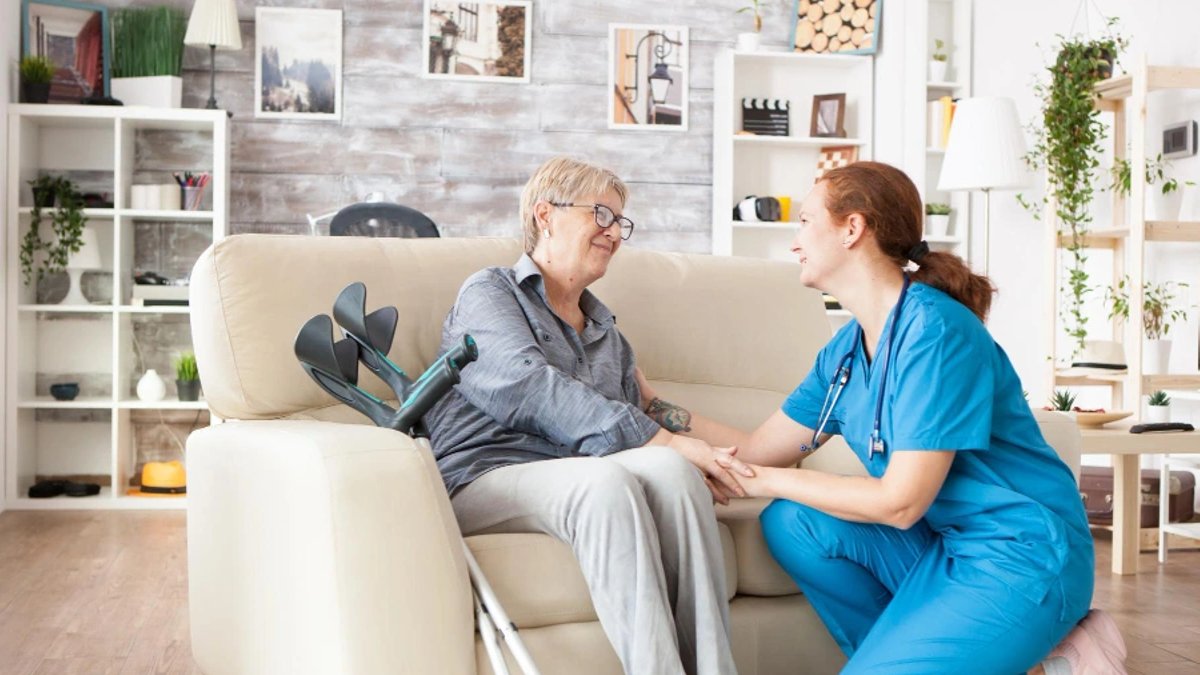
Home care services are undergoing a shift toward personalized, independence‑focused models as the demand for in‑home assistance climbs sharply.
Growth and Core Principles Driving Change
The U.S. Bureau of Labor Statistics projects a 22% increase in the need for home health and personal care aides between 2022 and 2032. That rise reflects a broader move away from one‑size‑fits‑all elder support toward care that respects each client’s daily rhythms and personal goals. Autonomy and dignity are now treated as essential standards rather than marketing buzzwords.
Quality home care is described as a three‑way collaboration among the client, family members, and the service provider. Clear expectations for responsiveness, competence, and respect are emphasized, and ongoing reassessment is seen as a necessary part of the process.
Assessing Needs and Selecting Providers
Evaluations typically focus on mobility, cognitive status, and capacity for daily living activities. A simple checklist can prevent mismatched services and save time. For example, an active retiree who still gardens but struggles with heavy indoor lifting may need assistance only for specific tasks, not full‑time supervision.
When choosing a home support professional, credentials and certifications are highlighted as proof of skill, while background checks protect safety. References and continuous training help separate reliable providers from those who fall short. Interviewers are advised to watch for vague answers, poor listening, or rushed site visits, all of which can signal potential issues.
One practical illustration points to a reputable agency in Myrtle Beach, South Carolina, as a tangible example of quality service.
Designing Safe, Person‑Centered Environments
Simple modifications can dramatically improve confidence. A well‑placed grab bar, non‑slip flooring, and upgraded lighting reduce the risk of falls and help clients move around more freely. Partnering with an occupational therapist or certified remodeler ensures changes are functional rather than merely aesthetic.
A case study notes that a client regained full independence on a second floor after a single stair rail was installed, avoiding a complete structural overhaul.
Technology’s Role in Enhancing Care
Smart home solutions—such as remote monitoring, automated medication reminders, and quick telehealth access—are being integrated to bolster safety. These tools are intended to complement, not replace, human interaction. A 2023 Pew Research Center report highlighted growing senior adoption of health technology when privacy safeguards are explicit.
Related: Elevate your style with cufflinks
Data security remains a priority because breaches can have real‑world consequences for vulnerable individuals. Providers are urged to keep confidentiality at the forefront of any tech implementation.
While technology can streamline certain tasks, the human element remains central to effective home care.
Trust builds over time.
For readers looking for further context on health‑tech trends, the Pew Research Center offers detailed analysis of senior technology use.
Emotional and Social Well‑Being
Companionship is framed as a structural component of mental health rather than an optional extra. Scheduled visits, community club memberships, and virtual gatherings help reduce isolation. Volunteer programs and intergenerational activities add variety to daily routines and connect clients to broader community goals.
When engagement levels rise, mood and energy often follow, reinforcing the overall benefits of a holistic care approach.
Measuring quality involves feedback loops such as satisfaction surveys and family check‑ins. Tracking punctuality, adherence to care plans, and client comfort provides a transparent picture of service performance.
Regular review intervals and documented adjustments help build trust, which is described as the tool that keeps the care relationship functional.
In practice, families that audit current arrangements, speak directly with providers, and revisit care objectives regularly tend to see more sustainable outcomes. The emphasis on continuous improvement suggests that home care will continue to evolve as long as standards remain high and intentions stay clear.

Elevate your style with cufflinks


