Smart Thermostats Cut Home Energy Bills
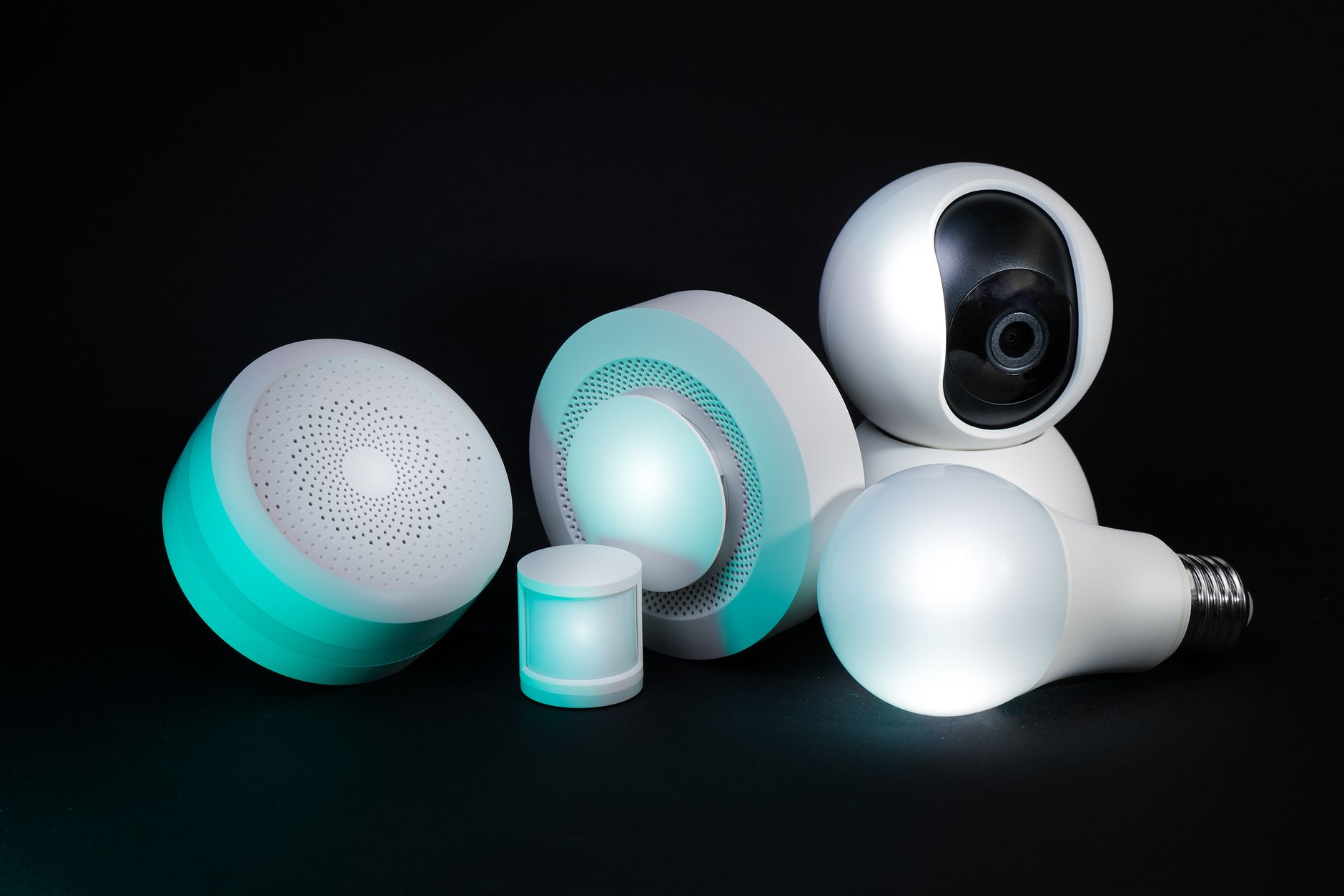
Rising utility bills have pushed many homeowners to look for ways to cut energy use, and a smart thermostat often appears as a straightforward solution. Heating and cooling systems typically consume the largest share of household electricity, so controlling them more precisely can lower monthly costs without sacrificing comfort.
How Smart Thermostats Reduce Energy Waste
Unlike conventional units, smart models adjust temperature settings based on occupancy, weather patterns, and user habits. By responding to real‑time conditions, they avoid heating or cooling empty rooms, which helps shrink overall consumption. Studies cited by industry groups indicate that typical savings range from 10 % to 26 % of annual energy bills, with some advanced devices achieving the upper end of that spectrum.
These savings frequently offset the purchase price within a single year, delivering a quick return on investment. Many utilities also provide rebates for ENERGY STAR‑certified thermostats, adding another layer of financial benefit. The thermostat’s ability to learn a household’s schedule means it can fine‑tune temperature cycles without constant user input.
Remote Access and Scheduling Flexibility
Wi‑Fi connectivity lets owners adjust settings from a smartphone, tablet, or computer, even when they’re not at home. This remote control feature is especially handy for families with irregular work hours or frequent travelers. Users can create temperature routines that mirror daily habits, ensuring that heating or cooling runs only when needed.
When plans change, a quick app tweak updates the schedule instantly. The result is less wasted energy and more predictable monthly bills.
Beyond convenience, the automation built into many models reduces the need for manual programming. Adaptive algorithms analyze past temperature preferences and occupancy trends, then automatically set the optimum levels. Integration with voice assistants and other smart‑home platforms enables hands‑free adjustments, further simplifying everyday operation.
Related: Mark Roemer Oakland Looks at Things to Check Before Having a Pool Compliance Inspection
In practice, this means a household can keep its indoor climate steady while the system runs fewer cycles, which also eases strain on the power grid during peak demand periods. The cumulative effect contributes to lower emissions from power plants, aligning personal savings with broader environmental goals.
From a practical standpoint, the real advantage for families is the reduction in unexpected HVAC breakdowns. By limiting unnecessary run times, smart thermostats protect compressors and blowers from excessive wear. Maintenance alerts—such as reminders to change filters—help keep equipment operating efficiently, potentially extending its lifespan by several years.
Gradual temperature adjustments prevent sudden swings that can be uncomfortable, and the consistent climate reduces the temptation to manually override settings.
Future updates may incorporate more granular data from weather services, allowing thermostats to anticipate temperature swings before they happen. This proactive approach could shave additional percentages off energy use, especially in regions with extreme seasonal fluctuations.
Overall, the combination of learning capabilities, remote control, and detailed usage reports equips homeowners with actionable insights. By reviewing real‑time data, users can identify peak consumption periods and adjust habits accordingly, leading to incremental but meaningful reductions in energy use.
In short, a smart thermostat offers a practical path to lower heating and cooling costs while supporting equipment health and environmental stewardship.


