Cotton Cloth Offers Eco-Friendly Weed Control for Gardeners
As gardeners seek alternatives to traditional environment fabric, old cotton cloth emerges as a practical solution for weed suppression. With Americans discarding over 80 pounds of fabric waste per person annually, repurposing stained or torn bedsheets, tablecloths, and curtains offers an eco-friendly approach to gardening.
Cotton cloth, when used as a base mulch in garden pathways, provides a natural barrier against weeds. By folding the fabric in half and placing it between plant rows, they can create a double layer that prevents weed growth. Covering the cloth with straw or wood chips not only enhances its effectiveness but also conceals the fabric, maintaining the garden’s visual appeal.
For a more detailed method, cotton fabric can be utilized as sheet mulch. Laying full bedsheets or large remnant pieces over an entire garden section allows gardeners to suppress weeds and safeguard plants. Cutting holes in the fabric to accommodate existing perennials or shrubs, and then covering it with wood chips, creates a natural, compostable barrier.
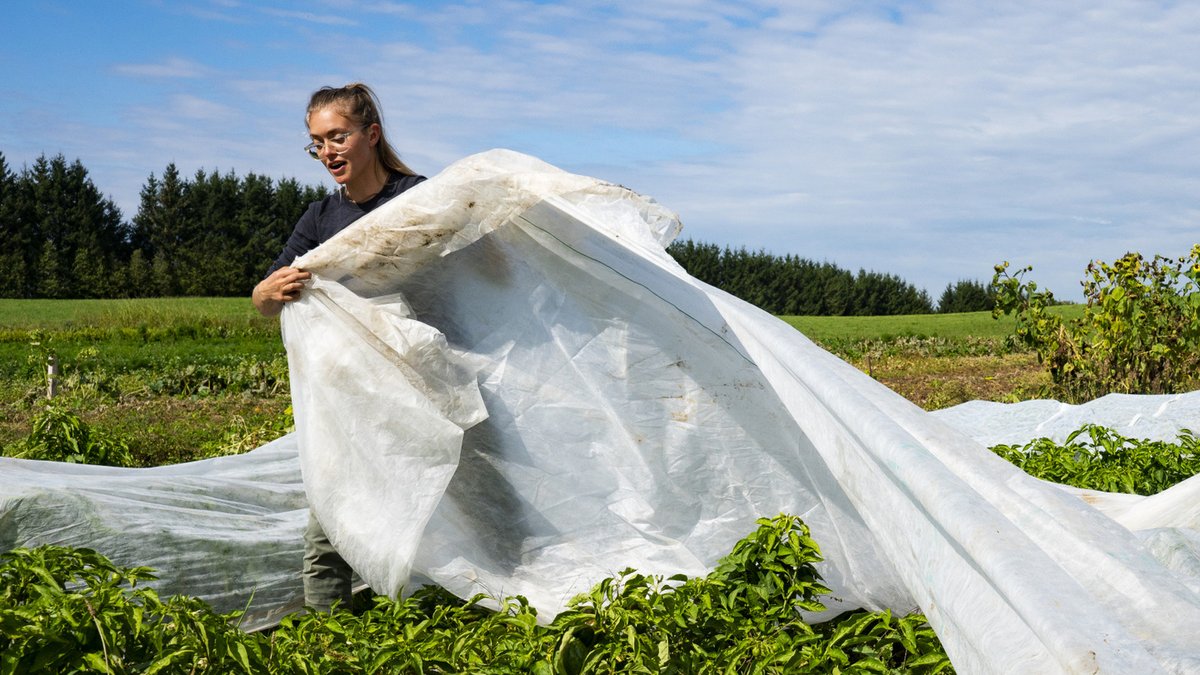
Beyond weed suppression, cotton cloth serves as a protective layer for plants during sudden cold snaps. Draped over newly established environment plants, it acts as a cost-effective alternative to traditional cloches. As the growing season advances, this fabric can be repurposed to block weeds, extending its utility in the garden.
Adopting this method enables gardeners to reduce waste, minimize artificial material use, and maintain a healthy garden ecosystem. The versatility of cotton cloth, applicable in pathways and plant protection, makes it a valuable tool for gardeners.
This technique not only overcomes the limitations of environment fabric but also offers a sustainable solution to fabric waste. As more gardeners adopt this approach, the use of old cotton cloth is likely to become widespread, providing a simple yet effective way to suppress weeds and protect plants.
In upcoming seasons, gardeners may discover that integrating cotton cloth into their weed management strategies provides long-term advantages, including reduced waste and healthier soil. As this practice gains popularity, its evolution and adaptation to various gardening styles and environments will be noteworthy.
Currently, using old cotton cloth as a weed suppressant remains a practical, eco-friendly choice for gardeners aiming to lessen their environmental impact. Given its multiple applications and benefits, it is a method worth considering for those pursuing a more sustainable gardening approach.


