South Tyrol’s landscape takes center stage at Chalet Mirabell
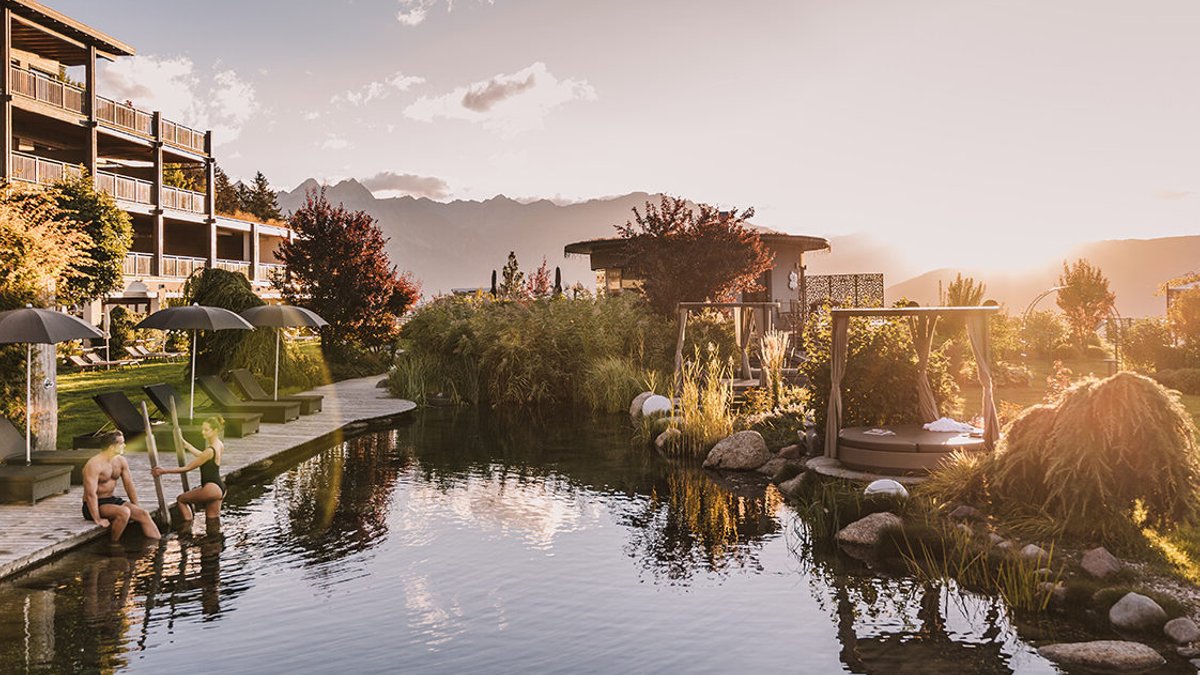
Hotel Chalet Mirabell in South Tyrol, Italy, is betting that the region’s natural scenery will matter more to guests than flashy amenities. The property, which has just 70 south-facing rooms, suites, and private villas, sits in a province where Austrian and Italian influences blend into what the resort describes as an Alpine-Mediterranean character. The hotel’s approach centers on restorative relaxation and guided excursions rather than the kind of break-out features common at other all-inclusive resorts in the area.
A Spa Built Around the View
The centerpiece is a 64,000-square-foot panoramic spa spread across two levels. One floor is reserved for adults, the other for families. The adults-only section includes Finnish and organic herbal panorama saunas, plus brine, light, and aromatherapy baths. It sits tucked beneath the lawn, with wood and stone finishes throughout and infrared heat incorporated into the space.
The family floor above features a heated pool that transitions from indoors to outdoors without interruption. Outside, a sprawling lawn holds a natural swimming pond and various alfresco lounging setups. The spa makes deliberate use of the alpine views and the rolling farmland that unfolds just below the hotel.
Related: Ford and Filson Redefine the Luxury Bronco
This arrangement is not accidental. The property faces the Sarentino and Oetztal Alps, with the Dolomites about an hour’s drive away. Every part of the facility seems oriented toward those vistas, whether through private balconies, glass walls in the spa, or the edge of an outdoor pool.
Seasonal Shifts and a Second Property
In winter, guests stay at Chalet Zuegg, an off-site ski-in and ski-out property near the peak of the adjacent 6,500-foot Meran peak. That building offers loft-style accommodations and intimate eateries. When the snow melts, the same guests can e-bike and hike with alpacas along rustic trails.
Martin Reiterer, the resort’s second-generation owner, frames the seasonal difference in practical terms. “In the summer, the world is big, and people have the possibility of going anywhere,” he says. “In the winter, it’s more limited. They want to stay closer to home but have a place to ski and perhaps even hike.”
Related: Basement Bath Gains Stylish Laundry Nook
The resort draws a broad mix of visitors year-round — weekend guests from Milan or Munich, plus travelers coming from across the Atlantic or even Asia. Reiterer says the goal is consistent regardless of origin. “The idea is to find relaxation and calm when they can look out over wide expanses of space,” he adds. “That’s the main draw here.”
The architecture supports that mission. Though primarily built in locally sourced timber, the buildings avoid folksy alpine tropes. Instead, they use large exposures and recessed overhangs that contain private balconies. The entire facility is tiered into the slope of the location, and the same refined modern aesthetic carries over to Chalet Zuegg.
The dining program ties things together. A Michelin-recommended main dining room serves multi-course meals, and the wine selection is held in a contemporary wood-clad cellar. Even in the dining space, the layout is divided to keep those seeking quiet from being disturbed — a detail that reflects the hotel’s broader philosophy of accommodating different guest expectations under one roof. The property’s tiered design and material choices frame the scenery rather than fight it. That approach appears to be working for the mix of guests who come for a weekend or a longer stay, and it suggests that in a region full of resorts offering more, some travelers still want less — or at least a better view of what’s already there. The mountains remain the constant, making Reiterer’s “wide expanses of space” less an added attraction than the organizing principle of the hotel itself.

Ford and Filson Redefine the Luxury Bronco


