Andover Audio upgrades portable hi-fi design
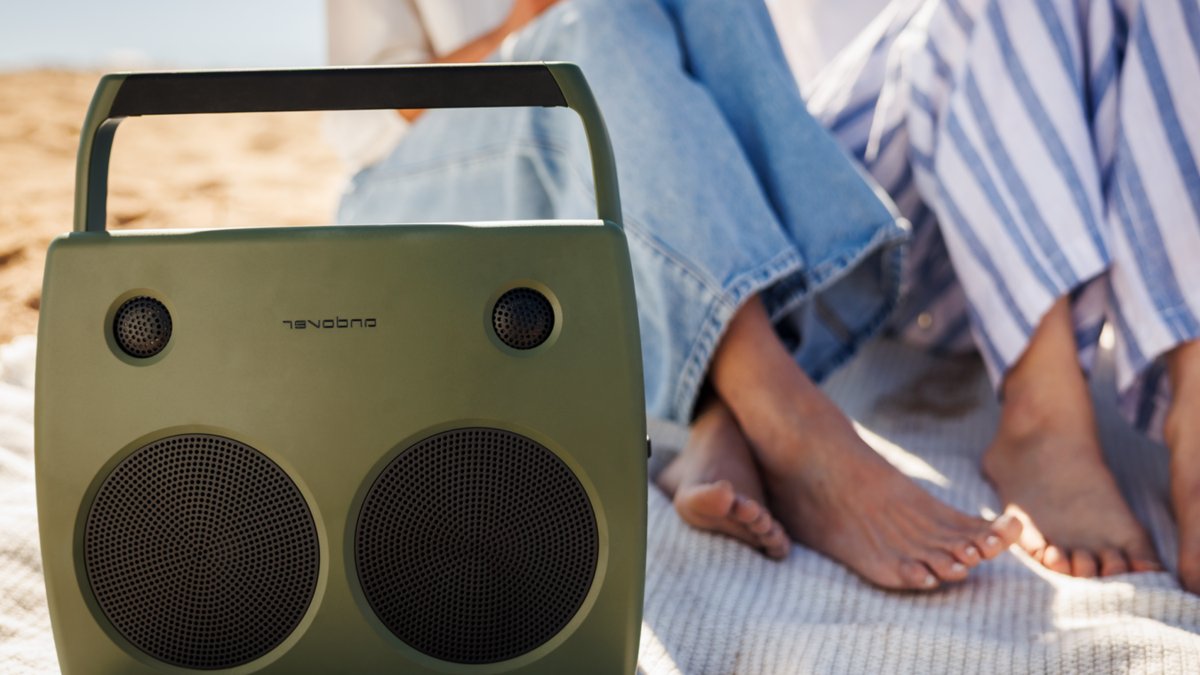
Portable speakers often prioritize a rugged aesthetic, featuring heavy bumpers and conspicuous materials designed to signal durability. Andover Audio is attempting to shift this trend with its new FreePlay unit, a Bluetooth speaker that seeks to hide its travel-ready construction behind a more refined exterior. The device weighs nine pounds and comes in Ivory, Olive, and Slate, opting for natural tones over the bright, plastic-heavy palettes typically found in the portable audio market.
The development process for this speaker relied heavily on the design principle that effective products should contain as little aesthetic clutter as possible. Bob Hazelwood, the director of engineering, notes that the team intentionally avoided the excessive folds and protective elements common in outdoor gear. The front of the device features radial grilles that expose the four drivers directly, a stylistic nod to home audio systems from the late 1990s.
This focus on simplicity obscures a complex internal architecture. The manufacturer refused to collapse the audio signal into mono, which is a common shortcut in portable electronics to save space. The unit includes two 25mm dome tweeters, two 5.25-inch woofers, and a 160mm rear-mounted passive radiator. By maintaining two channels, they aimed to preserve the depth of stereo recordings, even when the physical distance between the drivers is limited.
Related: South Tyrol’s landscape takes center stage at Chalet Mirabell
Transitioning high-fidelity standards to a mobile format changes how manufacturers view portable hardware. By prioritizing sound quality and frequency balance over pure volume, businesses are betting that listeners want a consistent experience regardless of whether they are sitting in a living room or on a patio. This approach acknowledges that high-end audio enthusiasts often find themselves compromising on fidelity once they leave their primary listening environments.
Achieving the IP67 dust- and water-resistance rating without compromising acoustic performance required approximately two years of testing. The engineering group leaned on their previous experience developing components for a major motorcycle manufacturer, which provided a foundation for handling vibration and environmental exposure. The final product supports Bluetooth 6.0, LE Audio, and includes both a USB-C port for bidirectional charging and a Qi-compatible wireless phone charging, and a 3.5mm auxiliary input.
For users who need higher output, a dedicated Loud Mode increases the projection by 6dB. A fold-down handle simplifies transport, while side-mounted utility bars provide attachment points for straps or clips. Mult

South Tyrol’s landscape takes center stage at Chalet Mirabell


