Mediterranean Style in DC Row House
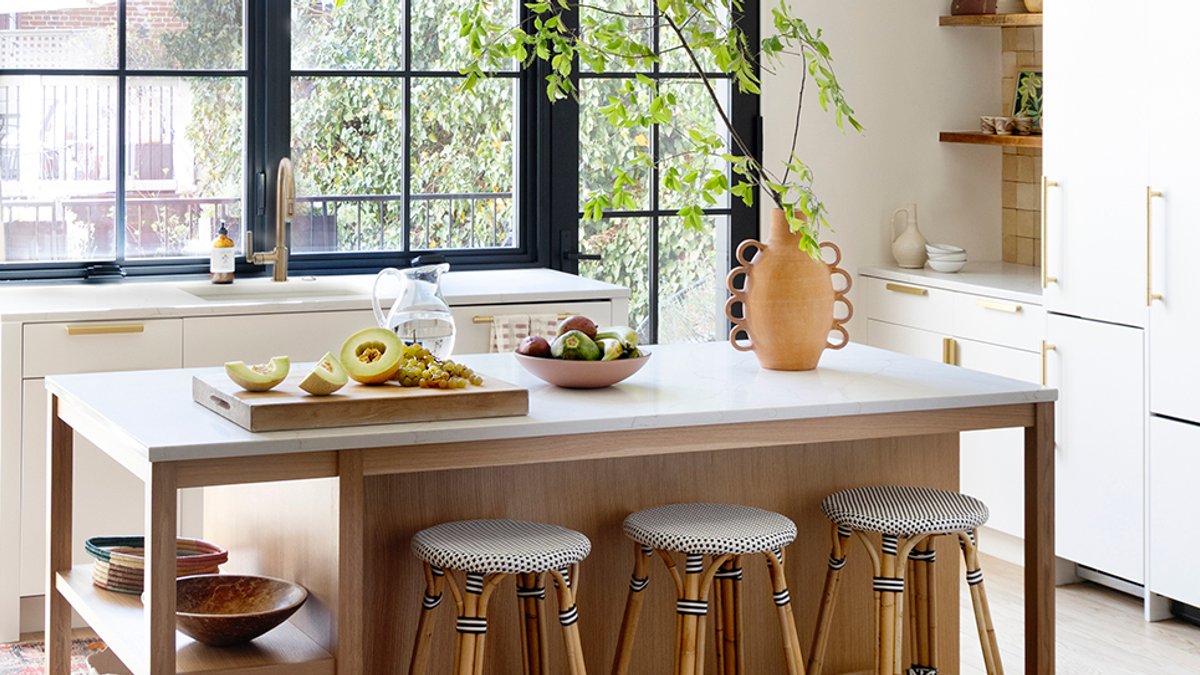
Amanda McClements’ 1885 Washington, D.C., rowhouse has been transformed from a faded Victorian shell into a bright, sun‑washed home that feels more Mediterranean than capital‑city historic.
From a brothel past to a modern family home
When she bought the property almost twenty years ago, the front stoop was covered in worn artificial turf and many original details had been stripped away. The house, once allegedly used as a brothel, showed little of its 19th‑century character. Over the years only cosmetic repairs were made, until the pandemic prompted a deeper redesign.
Working with the design firm Sanabria & Co., McClements called the result “Mediterranean Victorian.” The concept blends plaster walls, earthy tiles and a palette inspired by trips to Mallorca and other Mediterranean locales. The renovation focused on the main living level and the top‑floor primary suite, while the middle story remained largely untouched to keep costs in line.
Open‑plan primary suite and a shower that feels outdoors
To convert the cramped top‑floor rooms into an open suite, the team gutted the space and removed interior walls. “I didn’t want to put any walls back,” she said, noting the need for privacy in a shared home. The bedroom was shifted to the quieter rear, and a new bathroom sits under a skylight, using pocket doors for occasional separation.
Related: Remote hotel blends indoors with nature seamlessly
One standout feature is a shower designed to mimic an outdoor experience. The homeowner’s “no glass, no grout” mantra led to a Belgian Claystone surface that absorbs water and develops natural pockmarks. “It looks handmade because it was handmade,” she explained, adding that the material is easy to maintain despite its irregularities.
In practice, the shower’s lower side allows conversation while one person brushes their teeth, a detail the design team initially questioned. The result, however, matches the homeowner’s vision: light filters through the skylight, plants thrive, and the space feels like a garden rather than a tiled enclosure.
Beyond the bathroom, the kitchen island draws from a previous event‑warehouse design her father built. The island’s open working side lets the homeowner unload the dishwasher with only a half turn, keeping the dining‑room side free of visual clutter.

Remote hotel blends indoors with nature seamlessly


