Fire Damage Restoration Service Proves Vital for Recovery
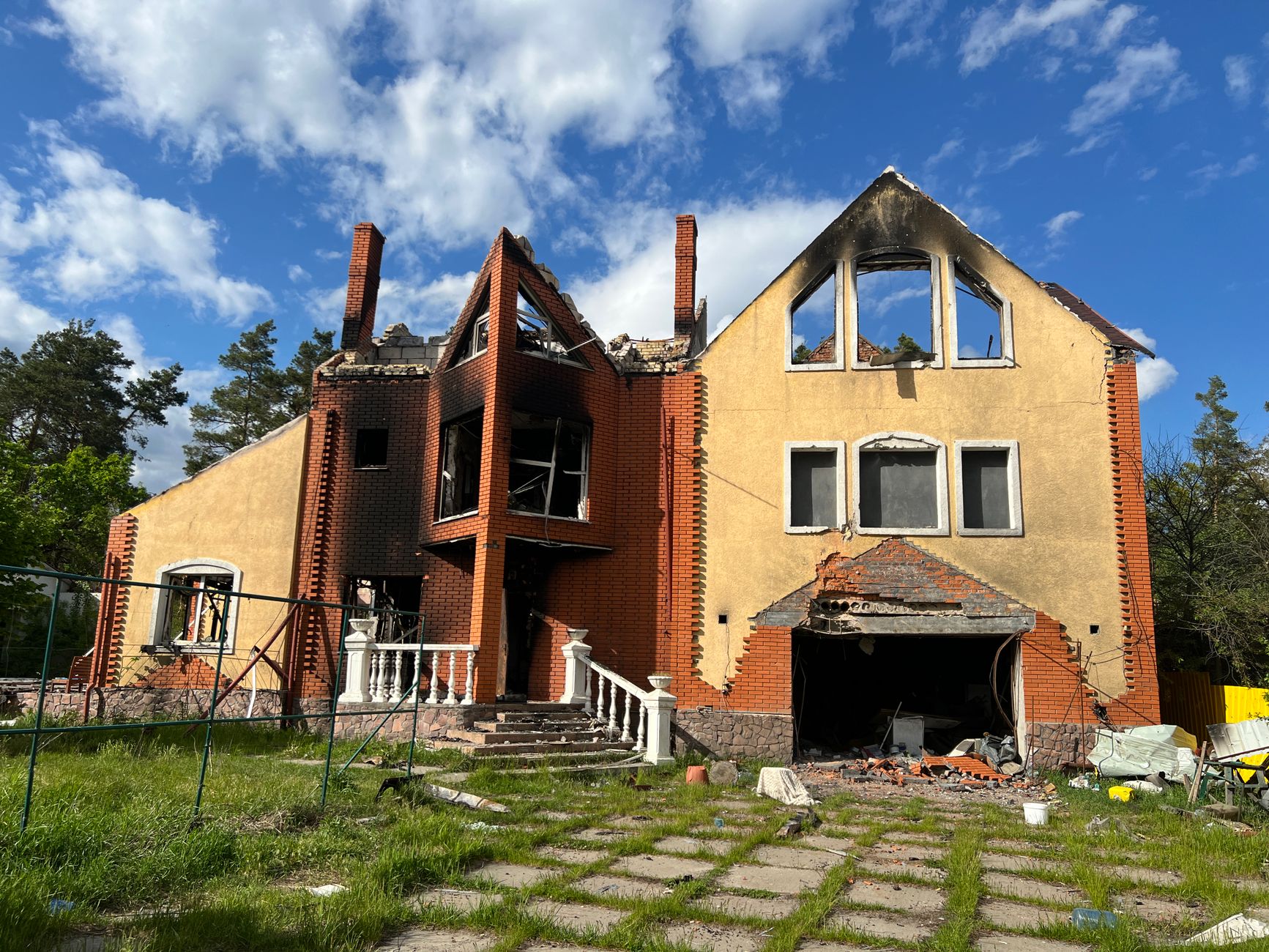
When a fire engulfs a home or business, the visible flames are only the beginning of the problem; lingering smoke, soot and water can turn a bad day into a long‑term disaster.
Why damage continues after the blaze is out
Most owners assume that once firefighters extinguish the flames, the worst is over. In reality, hot smoke penetrates walls, ceilings and furniture, while soot adheres to surfaces and water from hoses soaks into floors and studs. If left unchecked, these elements can cause structural weakening, staining and mold within hours. Professional fire damage restoration crews move in quickly to halt the cascade of damage and start the recovery process.
Health risks from invisible pollutants
Even when a property looks clean, microscopic particles of smoke and soot remain in the air and on surfaces. Inhaling them can irritate the respiratory tract and, depending on what burned, introduce toxic chemicals into the home environment. Specialists use industrial‑grade air filtration and cleaning agents to remove these hazards, lowering the risk of long‑term health problems for occupants.
The lingering odor of smoke can become a psychological burden. The scent seeps into walls, upholstery and fabrics, and simple wiping rarely eliminates it. Technicians employ ozone generators and specialized deodorizing treatments to neutralize deep‑set odors, making the space feel livable again.
Related: Best length for a Sri Lanka trip
Preventing permanent damage and mold
Water used by fire crews can saturate drywall and insulation, creating conditions where mold spores thrive. Mold can appear within 24 to 48 hours, spreading rapidly and releasing allergens that aggravate asthma and other conditions. Teams deploy dehumidifiers, moisture meters and anti‑microbial treatments to dry out the structure and suppress mold before it establishes a foothold.
Soot and smoke can leave stubborn stains on paint, wood and carpet. If not addressed promptly, these blemishes become permanent, reducing property value and complicating future resale. Expert cleaners apply chemical agents and gentle abrasion techniques to lift discoloration without damaging the underlying material.
Saving belongings and easing insurance claims
Personal items often survive the initial fire but suffer from soot coating or water exposure. Time is critical; the longer the delay, the greater the loss. Professionals assess salvageable possessions, clean and restore them where possible, and document the condition of each item for insurance purposes.
Insurance claims can be a maze of paperwork and negotiations. Restoration firms commonly liaise with insurers, providing detailed damage reports, photographs and cost estimates. This documentation helps policyholders receive fair compensation and speeds the overall settlement process.
The ability to restore a burned property quickly can have a ripple effect on a community’s resilience. When homes and businesses return to normal faster, neighborhoods maintain their economic stability and social fabric, reducing the long‑term fallout that a single fire could otherwise trigger.
Related: Do Wine Fridges Get As Cold As Regular Fridges?
Ensuring safety before re‑occupation
After a fire, hidden hazards such as compromised wiring, weakened beams or structural gaps may pose serious safety threats. Certified teams conduct thorough inspections, identifying and repairing these issues so occupants can return without fear of collapse or electrical shock.
The crew works nonstop.
Seeing a charred home can be overwhelming. Knowing that trained professionals are handling the cleanup and repairs offers a measure of peace of mind, allowing families to focus on recovery rather than the daunting task of rebuilding alone.
Ultimately, the speed and expertise of fire damage restoration services determine how much property is saved, how quickly health risks are mitigated, and how smoothly insurance claims proceed. When a fire strikes, immediate action is essential; the right professionals can turn a devastating event into a manageable restoration project.

Best length for a Sri Lanka trip


