Homeowners weigh comfort and cost in heating system debate
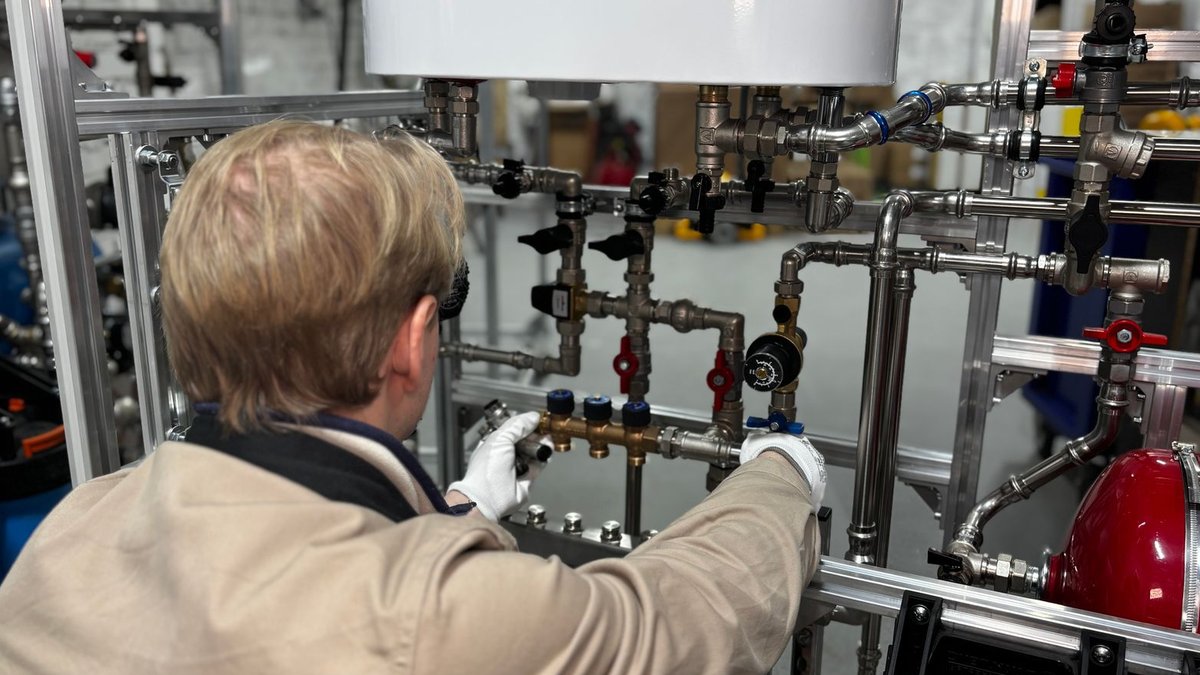
The choice between radiant floor heating and forced air systems depends on heating preferences, initial investment, and comfort priorities. Both methods function differently, and those distinctions influence real-world performance.
Radiant floor heating has gained popularity over the past decade due to its distinct warmth delivery. Unlike forced air, which pushes heated air through ducts and risks energy loss, radiant systems warm surfaces directly. Electric radiant systems cost between $10 and $15 per square foot for materials, with installation adding another $5 to $10. Hydronic systems, which use water-filled tubing, can double those costs but provide better long-term efficiency, particularly in areas with low natural gas prices.
The primary benefit of radiant heating lies in its quiet operation. Without fans, ducts, or humming noises, it delivers steady, even warmth rising from the floor. This makes it ideal for bedrooms, bathrooms, or any space where noise reduction is important. It also eliminates drafts, a frequent issue with forced air systems where heated air mixes with cooler air near windows or doorways.
Forced Air’s Cost and Trade-Offs
Forced air remains the more common choice in U.S. homes, relying on HVAC systems to distribute warm air through ductwork. The upfront cost is significantly lower—often less than half of radiant systems—but uneven heating can occur. Some rooms may become too warm while others stay chilly, especially if ductwork is poorly sized or insulated. Maintenance also becomes a consideration, as furnaces and heat pumps contain moving parts that degrade over time, requiring filter replacements, coil cleaning, and occasional full system upgrades.
Where radiant heating excels in comfort, forced air offers greater flexibility. A single HVAC system can handle both heating and cooling, making it the standard for whole-home climate control. Heat pumps, in particular, are energy-efficient in moderate climates, though they may struggle in extreme cold without supplemental heat. Furnaces perform better in harsh winters but require separate air conditioning for year-round use.
Daily living experiences differ between the two systems. Radiant heating creates warmth akin to stepping onto a heated towel, but it is not universally suitable. Hardwood floors may crack under prolonged exposure, and installation might require reinforcing floors to support additional weight. Forced air systems, while quicker to install, often completed in one to two days, depend on a well-designed duct system for efficiency. Poorly installed HVAC units can waste energy, negating their cost advantage.
Related Post: New Roof Costs Vary Widely by Material and Size
Radiant Floor Heating Types Explained
Radiant floor heating systems include three main types, each tailored to different project needs. Electric mat systems use interlocking puzzle-like mats with embedded heating wires, making them practical for smaller spaces or DIY projects. These are often installed in targeted areas like bathrooms or under sinks, where consistent floor warmth is most beneficial. Their simplicity allows homeowners to avoid extensive structural changes, though irregular room shapes may limit effectiveness due to fixed mat dimensions.
Single-wire systems provide greater layout flexibility. Heating wires are embedded directly into mortar or similar materials, allowing customization for any room shape or size. This method ensures even heat distribution across the entire floor, making it ideal for larger installations or rooms with unique architectural features. However, higher installation costs apply, as the process requires additional materials and professional labor to ensure safety and proper heat output. Structural assessments may be needed to confirm existing floors can support the added weight of the mortar layer, particularly in older homes or those with pre-existing floor stress.
Hydronic radiant systems use PEX tubing to circulate heated water beneath the floor, delivering efficient warmth for expansive areas. While upfront costs are higher, often doubling those of electric alternatives, they offer long-term energy savings, especially in regions with low natural gas prices. Their efficiency comes from maintaining consistent temperatures without ductwork-related energy losses. Regular inspections are necessary to detect leaks, which could cause water damage if left unchecked. The tubing also increases floor height, a factor for doorways, room transitions, or homes with low ceilings.
Forced Air’s Climate and Maintenance Limits
Forced air systems, particularly heat pumps, provide dual heating and cooling functionality, making them versatile for whole-home climate control. These systems transfer heat rather than generate it, improving efficiency in moderate climates. Available in split or package units, they accommodate various home layouts, though performance may decline in extreme cold without supplemental heating. Furnaces also demand more frequent maintenance due to mechanical components and fuel storage needs.
Many homeowners combine both systems to balance comfort and efficiency. Radiant heating often supplements forced air in high-traffic areas like bathrooms or kitchens, where floor warmth is most valued. This hybrid approach allows homeowners to use radiant heating for silent, even warmth and forced air for rapid heating and cooling throughout the home. The final decision depends on budget, climate, and whether long-term energy savings or the convenience of a unified system take priority.


