Design decisions linked to construction injuries
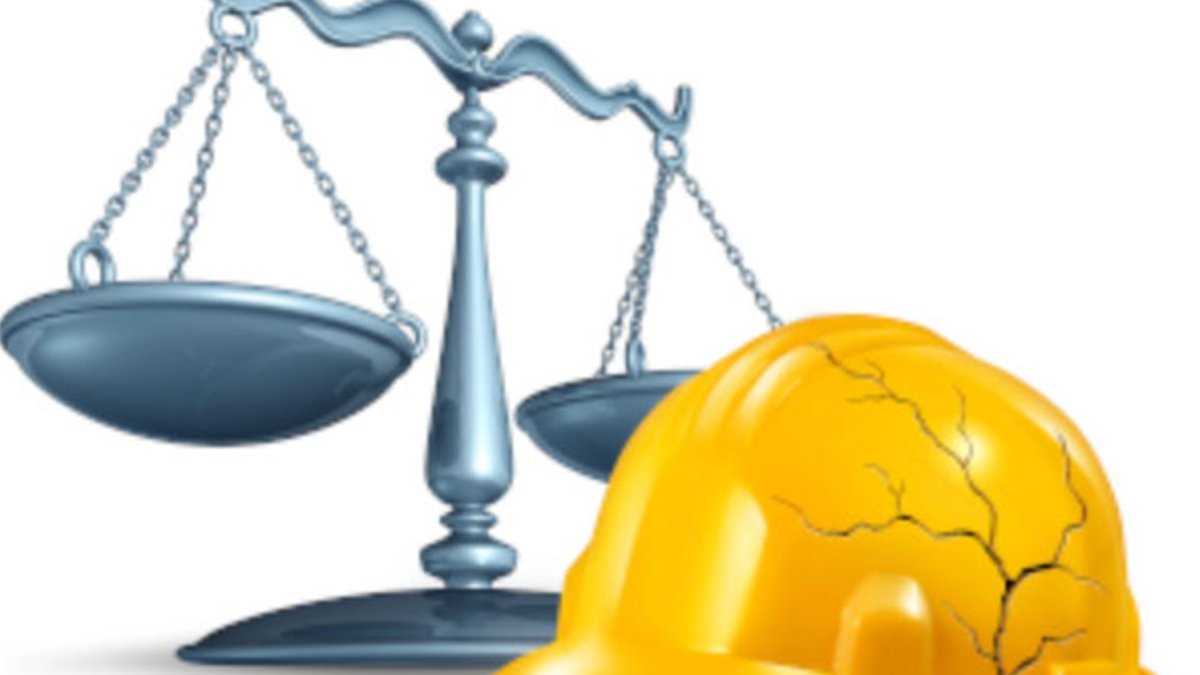
Every building project starts with a set of decisions made at the drawing board, long before construction begins. These choices, though technical, can have significant consequences that may only become apparent years later when an injury occurs. Architects and technologists must consider how a decision made at the start of a project contributes to a later injury.
The construction industry remains one of the most dangerous sectors to work in, with 35 worker fatalities and around 50,000 non-fatal injuries recorded in 2024/25. The fatal injury rate is close to five times the all-industry average, with falls from height accounting for more than half of the deaths.
Construction Injury Statistics
The human cost of these incidents is matched by a significant financial burden, estimated at £1.4 billion a year. These numbers are sobering, especially for designers who may have inadvertently created an environment that contributed to a hazard. Behind many of these incidents lies a design decision that made a hazard more likely to occur.
Responsibility for site safety often begins earlier than assumed, with designers playing a key role. Under the Construction (Design and Management) Regulations, a designer’s decisions are considered a direct influence on the health and safety of everyone involved in the project, from construction to maintenance and eventual demolition.
Designer Responsibility
The Building Safety Act has sharpened this focus, formalizing a new principal designer role and raising the standard of competence expected during the design phase. Architects are often the natural candidates for this role, which means the legal spotlight now falls on the design studio as much as the construction site.
Read Also: Ardbeg House reopens with folklore-inspired interiors
When an injury occurs, the investigation that follows typically works backward to identify the moment the risk first entered the project. This trail often leads from the site back to the drawing board, where a design choice may have introduced an avoidable risk. The legal question then becomes whether the harm was reasonably foreseeable at the point the decision was made.
Foreseeable Harm
This is a question that personal injury teams, such as George Ide, weigh up every day. If the harm is foreseeable, the fact that it only became visible later offers the designer little cover. In practice, the triggers for such claims can be small, such as a maintenance point that can only be reached by improvising or an edge protection detail trimmed to save money.
Liability is usually shared across the client, designer, and contractor, but a decision that introduced an avoidable risk can place a significant part of the responsibility with the design studio. However, the earliest stage of a project is also the cheapest and most reliable place to remove a hazard. HSE guidance sets out a simple order of priority: remove the risk where possible, reduce whatever cannot be removed, and provide clear information about any remaining hazards.
By recognizing the true starting point of site safety as the design phase rather than a formality to be addressed on site, design teams can build a valuable habit. This involves treating foreseeable harm as a design problem to be solved with a pen, rather than with a paramedic. A serious injury can reshape a life, and the claim that follows may run for years, often tracing back to a single moment on a drawing that could have been done differently.
Drain Cleaning Services in Bend, Oregon, and Plumbers in Eugene, Oregon


