Sharp cuts start with the right knife
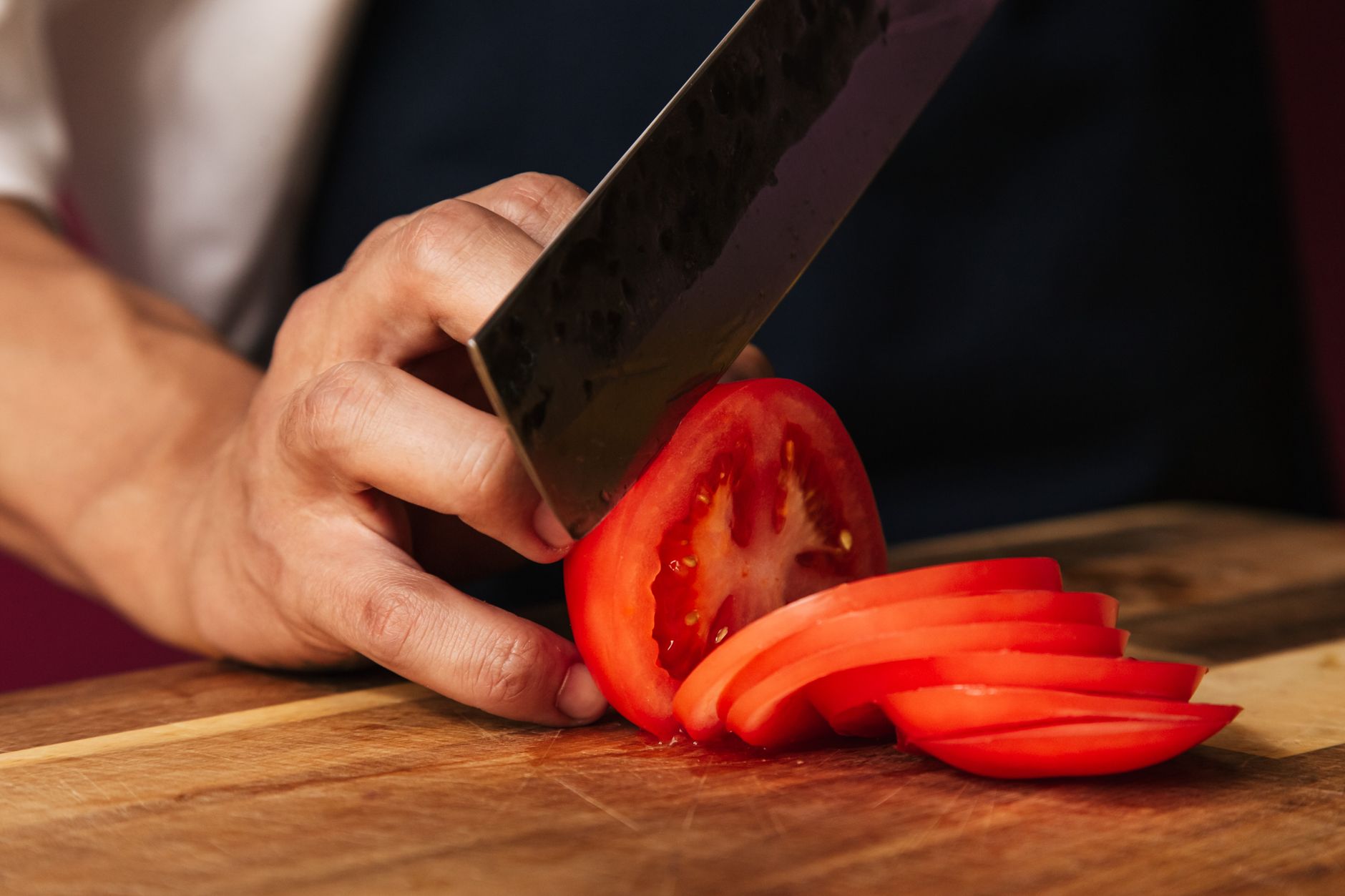
A carving knife isn’t just another kitchen tool. It’s the blade you reach for when the cooking is done and the meat is ready to serve—when presentation matters as much as flavor. While a chef’s knife handles the rough work of chopping and dicing, a carving knife steps in at the final stage, where the difference between a jagged slice and a clean one can define the meal’s impact. The design isn’t about versatility but about mastery of a single, critical task: delivering meat from the cutting board to the plate with the same care that went into preparing it.
The design behind the slice
The difference starts with shape. A carving knife is long and narrow, built for a single motion through large cuts of meat. That length means fewer strokes, less tearing, and juices that stay where they belong. This isn’t a coincidence but a calculated choice—longer blades distribute pressure more evenly, reducing the risk of compressing the meat and squeezing out its natural moisture.
Most models share a few key features: a slim, razor-sharp blade, a pointed tip for detail work, and a balance that keeps the knife steady in your hand. The narrow profile reduces drag, especially through tough brisket bark or turkey breast, letting the blade glide instead of forcing its way through.
This isn’t about brute strength. It’s about control. The knife’s design assumes that the user has already done the hard work of cooking. The meat is tender, the skin is crisp, and the only thing left is to present it in a way that honors the effort. A carving knife doesn’t demand force; it rewards precision. The difference between a sawing motion and a single, smooth stroke can be the difference between a plate of shredded turkey and one where each slice lies flat, its edges smooth and its texture intact.
When precision changes the plate
Uneven slices cook unevenly and look haphazard on the plate. A carving knife helps portion meat into uniform pieces that feel intentional. For roast beef, that means smooth edges. For poultry, it means breast meat that separates without shredding. The thickness of each slice matters as much as its appearance. A consistent cut ensures that every piece cooks at the same rate if reheated, or that each serving receives an equal share of crust and interior. This is especially important for dishes like prime rib, where the outer layer carries most of the seasoning and sear, while the center remains tender and rare. A knife that can handle the transition between these textures without tearing the meat preserves the dish’s integrity.
Related: Balancing Style and Function in Every Room
The difference shows up at holiday meals or dinner parties, where presentation can feel like part of the hospitality. A platter of neatly arranged slices conveys care, while a pile of uneven chunks can make even the most carefully prepared meal seem rushed. The visual contrast is most apparent with poultry, where the white meat of the breast and the darker meat of the thigh have distinct textures and colors. A carving knife allows the cook to separate these sections cleanly, avoiding the mess of torn fibers that can occur with a shorter, broader blade. The same principle applies to ham, where the knife’s ability to follow the natural grain of the meat ensures that each slice holds together, rather than falling apart under its own weight.
But the benefits extend beyond special occasions. Even on a Tuesday night, there’s something satisfying about meat that looks as good as it tastes. A well-carved steak or pork chop doesn’t just taste better—it feels more deliberate, as if the meal has been raised by the attention to detail. This is particularly true for dishes where the meat is the centerpiece, like a whole roasted chicken or a leg of lamb. The way the slices are arranged on the plate can influence how the meal is perceived, turning a simple dinner into something that feels more considered.
There are moments when a standard chef’s knife just isn’t enough—when the stakes feel higher, or the crowd is bigger. A well-made carving knife removes the guesswork. The weight balances in your hand. The edge stays sharp. The long blade lets you make one clean pass instead of sawing back and forth. This is especially true for large cuts, like a whole turkey or a bone-in ham, where a shorter knife would require multiple adjustments and increase the risk of uneven slices. The carving knife’s design anticipates these challenges, offering a solution that’s as much about efficiency as it is about aesthetics. The difference is noticeable not just in the final presentation but in the process itself. The knife’s balance reduces hand strain, while its sharpness minimizes the effort required to make each cut. This makes it possible to carve even the largest roasts with confidence, knowing that each slice will be as precise as the first.
In kitchens where craftsmanship matters, a carving knife isn’t a luxury. It’s the tool you reach for when the cooking is done and the focus shifts to how the food looks on the plate. The knife’s role is subtle but essential. It doesn’t draw attention to itself but instead ensures that the food remains the star. The best carving knives are those that disappear into the hand, allowing the cook to focus on the task without distraction. They’re not about flashy design or unnecessary features but about fulfilling a specific purpose with reliability and grace.
That moment before serving—when everything slows down—is when it earns its keep. The knife isn’t just cutting meat; it’s finishing the meal, putting the final touches on hours of preparation. The way it moves through the meat, the sound of the blade against the cutting board, the way each slice falls neatly into place—these details matter. They’re the difference between a meal that’s merely eaten and one that’s remembered.

Balancing Style and Function in Every Room


