How to Maintain Your HVAC System
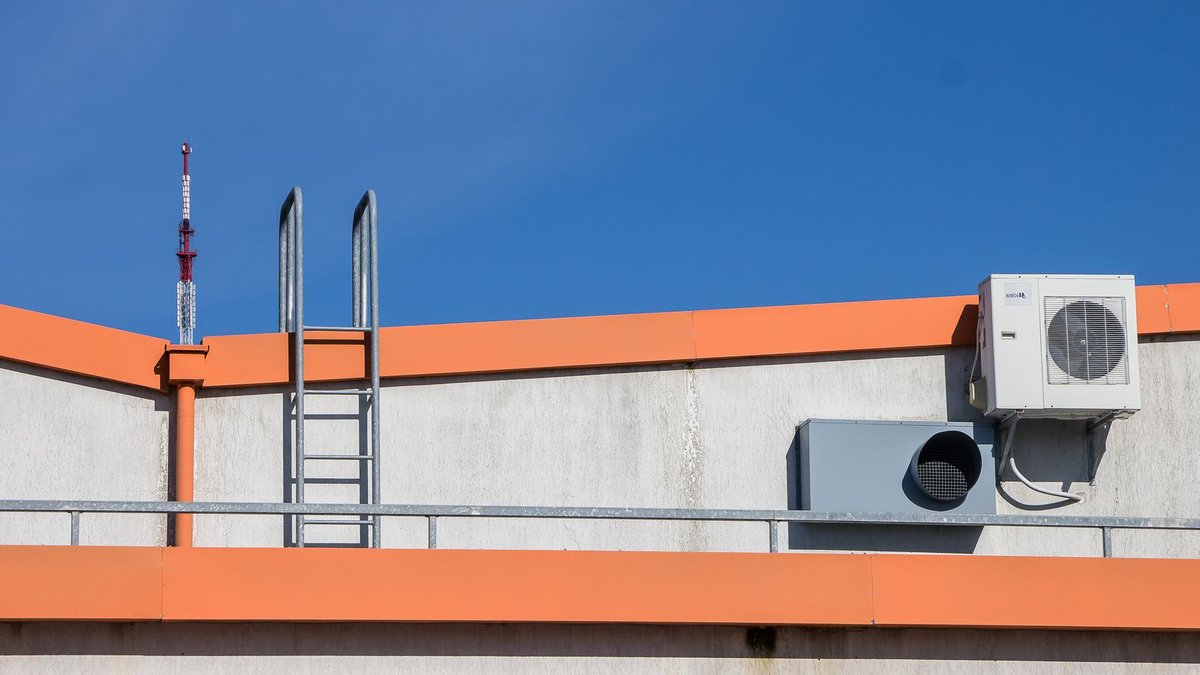
Proper upkeep of a residential HVAC system directly impacts energy savings and indoor comfort levels. Even high-quality heating and cooling units may develop faults or consume excess energy without regular maintenance. Basic maintenance tasks can often be managed independently, though specialized repairs should be entrusted to certified technicians.
Routine care is key for HVAC systems to operate at peak efficiency. Various systems demand specific maintenance, yet all require consistent attention for optimal performance. For instance, heat pumps generally necessitate yearly inspections by a technician, along with belt checks and replacements as needed.
Routine Maintenance for Common HVAC Systems
Gas furnaces have straightforward maintenance needs, including monthly or bimonthly filter changes during heating seasons, annual fan lubrication, and biennial professional inspections. Oil-fired boilers require an annual technician visit to inspect the pressure relief valve and expansion tank.
Air conditioning units typically demand less upkeep than heating systems but still need periodic checks. It’s advisable to have a professional assess refrigerant pressure at the start and end of each cooling season if cooling issues arise, and to clear debris around the outdoor unit for proper airflow.
When hiring a professional HVAC company, it’s essential to do your research and consider important factors such as the type of system they specialize in, their training and experience, and their customer service. A quality provider will have an emergency number staffed 24/7, enough technicians to respond quickly, and a strong focus on continuing education for their staff.
Before hiring, check that the company has liability insurance and workers’ compensation policies. Ask for recommendations from neighbors, friends, and family who have used a specific company over several years. It’s also important to ask questions such as: Did the technicians leave the working area clean? How quickly did the company respond to emergencies? Were service people punctual when you called with a problem?
What to Look for in an HVAC Contractor
A reputable contractor will showcase past projects and provide references from satisfied clients. They’ll also suggest energy-efficient upgrades that might allow for a smaller HVAC unit. While the most efficient option may not be the most cost-effective, ensure the system meets minimum standards, such as an AC unit (below five tons) with 14 SEER or higher and a natural gas heater with AFUE around 90%.
According to Angi, heating and cooling equipment typically lasts 15 to 20 years and sometimes longer. If your system is coming to the end of its useful lifespan, it might be time to consider replacing it. Modern systems operate much more efficiently than older units, bringing energy savings. For instance, programmable electronic or setback thermostats can cost around $20 to $150 and improve energy efficiency and comfort by enabling scheduled temperature adjustments.
When choosing a contractor, remember that proper sizing of an HVAC unit requires skill and experience. Poor design can result in inconsistent temperatures and higher operating costs—and can even lead to dangerous backdrafting situations. A good contractor will consider factors such as the amount and type of insulation in walls and the attic, the type, number, and location of windows and doors, and the local climate and seasonal temperature changes to determine the BTU capacity needed to heat or cool a home.
When purchasing a new HVAC system, carefully review the contractor’s warranty and service agreements. Quality warranties cover parts and labor for several years, while service agreements should include regular maintenance and potential repair discounts. Thoroughly examine these agreements before making a decision.
Final Considerations for HVAC Maintenance and Replacement
Some models offer remote control via smartphone apps or integration with home automation systems. This can be a cost-effective way to improve the efficiency of your existing HVAC system. The thermostats can be integrated with other systems, allowing for greater control and customization.


