Balancing Style and Function in Every Room
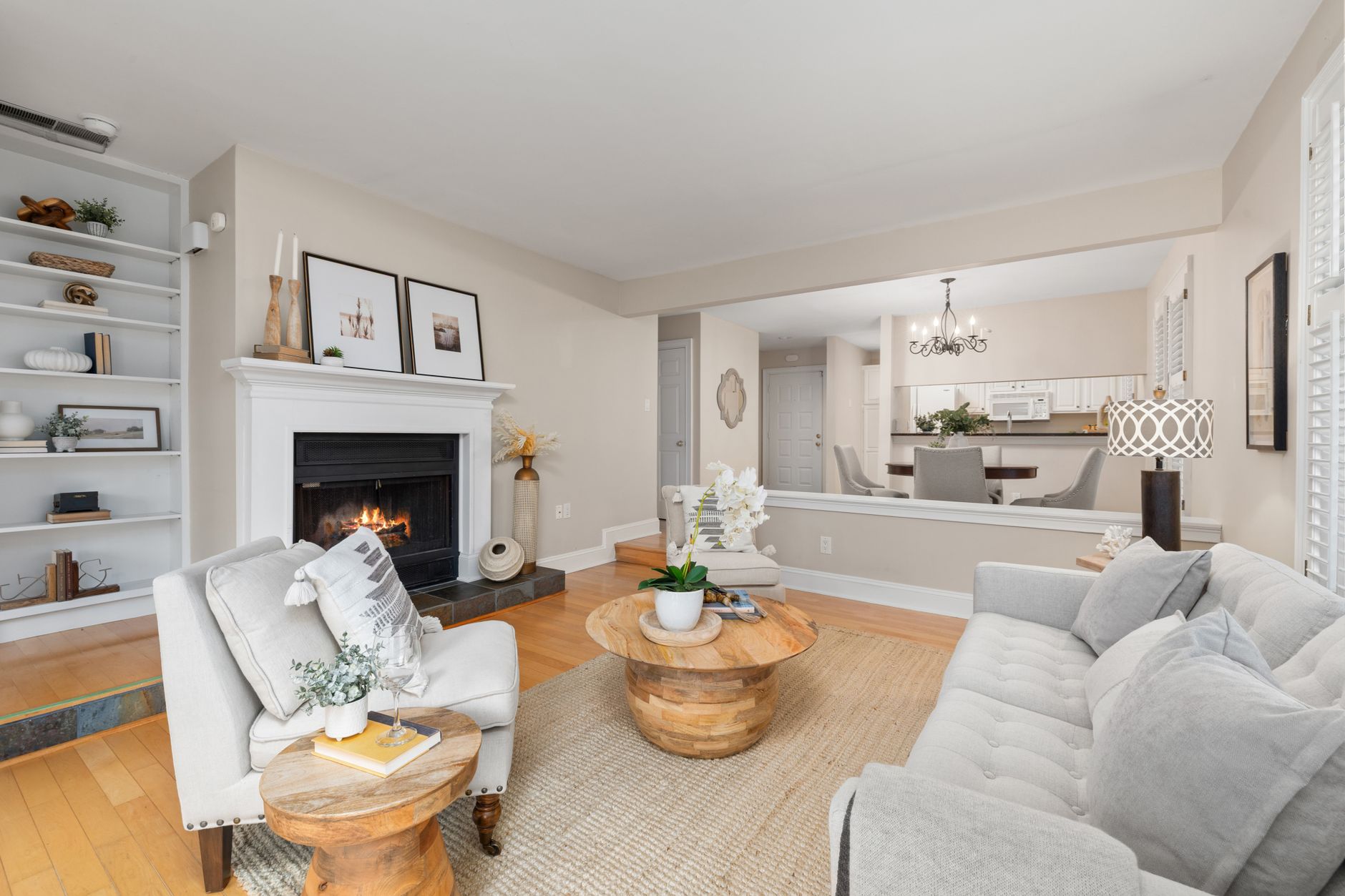
Choosing decor that works for both style and function is a priority for many Australian spaces, from homes to banks, where the right balance can boost comfort and productivity.
Start with the space’s purpose
Identifying the intended use of a room shapes every subsequent decision. In a residence, the focus may be comfort, storage, and areas for relaxation. Offices require efficient workstations, collaborative zones, and attention to employee well‑being. Schools aim for secure, adaptable learning environments, while places of worship need layouts that convey respect and ease. Orphanages, NGOs, and financial institutions each have distinct goals, such as safety, hospitality, or client‑friendly aesthetics. Understanding these goals guides choices in furniture, color schemes, and accessories.
Assess layout, traffic flow and flexibility
Australian buildings vary from compact urban offices to sprawling suburban schools. Planning must account for how people move through the area. Clear pathways reduce bottlenecks and potential accidents.
Zoning can separate quiet, focused zones from high‑energy collaborative spaces. Modular furniture offers the ability to reconfigure layouts as needs evolve, while accessibility features like ramps and wide doorways meet inclusivity standards. A well‑thought‑out plan ensures that decor serves a practical purpose rather than merely adding visual interest.
Key functional elements include ergonomic desks and seating, ample storage such as shelves or lockers, and durable materials suited to high‑traffic settings. Integrating technology—cabling, multimedia devices, and acoustic treatments—helps maintain a functional environment. When style aligns with these needs, the overall experience improves.
Use color, texture and lighting to reflect identity
Colors can signal different moods: calming hues for meditation rooms, bright tones for teamwork areas, or brand‑aligned palettes for corporate settings. Materials like wood, metal, glass, and fabric add depth, durability, and warmth. Incorporating art, murals, or plants injects life and can reinforce cultural values. Lighting balances natural and artificial sources, creating an ambience that supports the room’s purpose.
Australians often blend natural materials with a minimalist aesthetic, especially in modern office and residential projects. This approach tends to produce spaces that feel both contemporary and grounded.
Related: Best length for a Sri Lanka trip
Consider location, climate and sustainability
The Australian climate ranges from hot, sun‑intense regions to humid coastal areas, influencing material choices. Items resistant to heat, UV exposure, and moisture extend the lifespan of furnishings. Urban sites may need compact, multi‑purpose pieces, whereas suburban locations allow more expansive layouts. Positioning workstations near windows maximizes daylight, while sound‑absorbing partitions address noise from traffic or open‑plan designs. Sustainable selections—such as reclaimed wood or low‑emission finishes—support environmental goals while enhancing comfort.
Versatility remains essential as needs shift. Modular units in offices, schools, or community centers can be re‑arranged without major renovations. Extendable storage solutions suit homes, NGOs, and banks, and neutral color bases enable updates without full redesigns. Planning for future adaptability helps maintain relevance over time.
Compared with past decades, today’s designers place greater emphasis on adaptability and ecological impact, reflecting broader societal trends toward flexible work arrangements and greener building practices.
Practical steps for successful decor
First, pinpoint the primary users of the space. Next, map out the layout and traffic flow to locate any bottlenecks. Then, express the desired personality through chosen colors, materials, and decorative elements. Factor in the site’s climate, daylight, and noise levels. Finally, prioritize flexibility to allow the space to evolve without costly overhauls.
Following this framework can help homes, offices, schools, places of worship, NGOs, banks, and other Australian venues achieve a blend of efficiency, comfort, and visual appeal.
When decor is both beautiful and purposeful, it contributes to higher productivity, satisfaction, and a sense of belonging for the people who use the space.

Spring Tips for Efficient Air Conditioning


