Nematodes Help Control Subterranean Termites Naturally
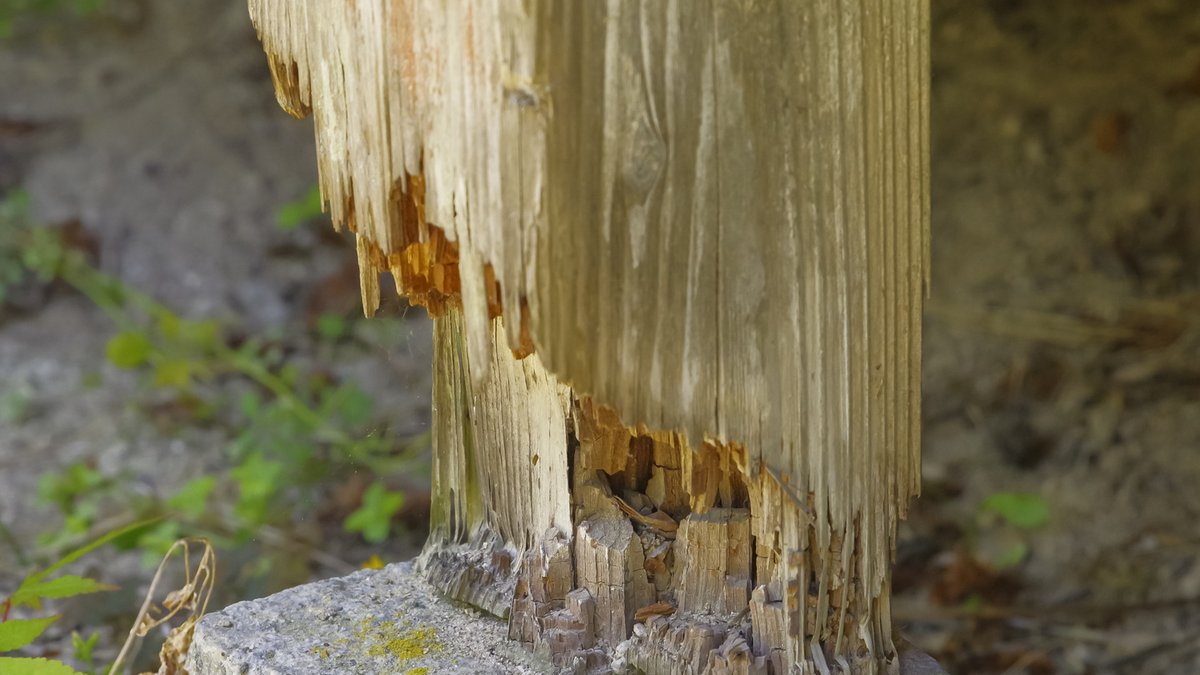
Homeowners often face significant financial strain when subterranean termites attack wooden structures in homes and environments, leading to expensive repairs that frequently demand professional intervention. While proactive measures are far simpler than addressing compromised beams or posts, certain termite-prevention chemicals may harm beneficial insects and contaminate nearby water sources.
One non-toxic solution for preventing unwanted termites is using beneficial nematodes, a more eco-friendly solution than pesticides. These microscopic roundworms can be helpful by parasitizing many insects considered pests, including termites.
Beneficial nematodes are not the same as their problematic relatives that infect plant tissue and are considered pests. They can be allies in the yard and garden, and are especially useful in certain U.S. cities where termite vigilance is necessary.
To use beneficial nematodes to prevent subterranean termite damage, determine your soil type first. Different nematode types are suitable for sand, clay, or uncultivated soils. For example, Steinernema carpocapsae is suitable for sandy soil, while Steinernema feltiae is better for clay soil.
Before applying beneficial nematodes, check the weather and soil temperature. The soil temperature needs to be warmer than 42 degrees Fahrenheit. Apply the nematodes when the soil is moist, and keep it moist afterwards for the best results.
This approach may work best to prevent subterranean termite problems rather than to get rid of them once they are established. Beneficial nematodes can only eliminate a larger termite infestation with the help of other measures, like moisture control. Regular home maintenance, such as cleaning gutters, can also help prevent termite problems by reducing the buildup of moist debris.
Using beneficial nematodes can be a useful tool for homeowners who want to prevent termite damage without harming the environment. By combining this method with other preventive measures, homeowners can reduce the risk of termite infestations and protect their properties. For instance, homeowners can use beneficial nematodes in conjunction with regular inspections and maintenance to catch termite problems early and prevent costly repairs.
They can reduce the risk of termite infestations by keeping their homes and gardens clean and dry. Regular inspections can also help catch termite problems early, and preventive measures like sealing entry points and removing debris can help prevent termite infestations.


