Experts caution against dishwasher for certain kitchen items
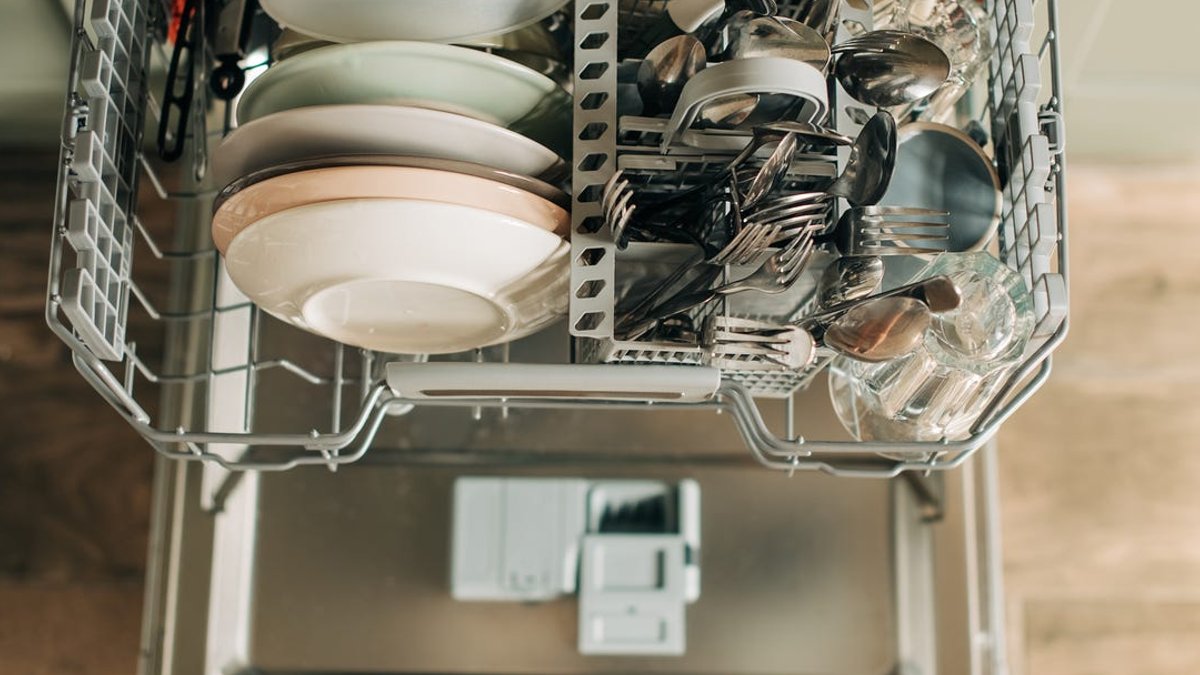
The appliance handles daily plates and cups, yet it can’t safely clean every kitchen item, experts from the Good Housekeeping Institute Home Care Cleaning Lab warn. Materials such as wood, aluminum, copper or cast iron often suffer damage when exposed to high-temperature cycles.
Items That Lose Their Finish
Cast-Iron Skillet needs a seasoned surface to stay non-sticky. A dishwasher’s heat strips that layer, undoing the work that creates the pan’s natural coating. “Your cast iron skillet should never be soaked in the sink or put in the dishwasher,” says former lab director Carolyn Forté. Maintaining the seasoning also improves the pan’s natural non-stick qualities.
Wooden Utensils such as spoons and spatulas warp when the hot water and drying cycle hit the wood. Over time the shape changes and the surface cracks, making them less reliable for stirring.
Wooden Cutting Boards face the same risk. The heat dulls the finish and can cause splitting. Professionals recommend a bleach solution—three tablespoons per quart of water—to clean them without a machine.
Vintage Plates with gold trim or hand-painted designs are vulnerable to the harsh detergents. The chemicals can erode decorative details, so hand-washing preserves heirloom quality.
Garlic Press traps paste in its tiny chambers. Even a full cycle often leaves residue, so a manual scrub ensures no lingering flavor contaminates future dishes.
Read Also: Spring Water, Directional Freezing Yield Clearest Ice Cubes
Insulated Mugs may lose their thermal barrier if the inner lining is exposed to intense heat. While some modern travel mugs are labeled safe, many still suffer reduced insulation after a wash. Avoiding the dishwasher for these mugs helps retain their ability to keep drinks hot for hours.
Compared with routine hand washing, loading these items into the machine is a shortcut that can shorten their lifespan. The extra minutes spent at the sink often pay off by keeping tools functional for years.
Tools That Suffer Damage
Bottles or Jars With Labels should have paper and adhesive removed first. Stripping material can clog the appliance’s filter, leading to costly repairs.
Aluminum Cookware turns dull and discolored under the detergent’s alkaline action. A quick hand rub restores shine without compromising the metal.
Cheese Grater retains fine particles in its holes. A sponge or brush removes remnants more thoroughly than a rinse cycle.
Fancy Chef Knives risk nicked blades and cracked wooden handles when they bang against the rack. Only knives placed on a dedicated knife drawer avoid this hazard.
Copper Pots, Pans, and Mugs lose their characteristic luster after exposure to the appliance’s heat and harsh soaps. Hand washing preserves the metal’s shine and prevents oxidation. Preserving the metal’s appearance also prevents rust from forming over time.
Read Also: Crafters Create Dove Decor from Egg Cartons for Mantels
Non-Stick Cookware and Crystal Care
Non-stick pans often survive a dishwasher cycle, yet repeated exposure can thin the coating.
Crystal pieces vary widely; some modern sets include dishwasher-compatible labels.
Even when marked safe, high temperatures and hard water may leave a milky film on the surface.
Special crystal cycles exist on premium models, yet they still risk spotting if water contains mineral deposits.
Antique or hand-painted crystal lacks the resilience of newer glass, making manual washing the preferred approach.
Understanding material limits helps prevent costly repairs and extends the lifespan of both cookware and appliance.


