Homeowners Weigh HVAC Zoning Against Dual Systems for Climate Control
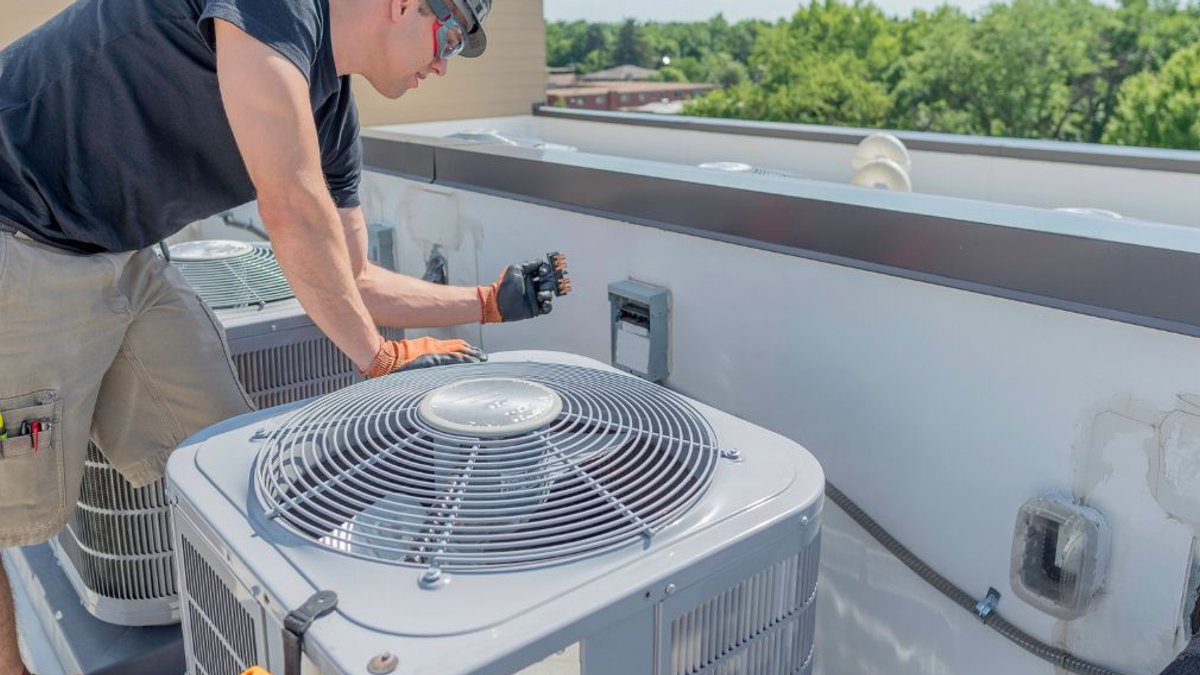
Homeowners with large properties often face a choice between two methods for managing climate control: HVAC zoning or installing two separate systems. Zoning typically involves a central unit with dampers or several ductless mini-split heat pumps to regulate different areas. A two-system approach, meanwhile, gives each major area of the home its own dedicated equipment, such as separate units for downstairs and upstairs.
How Zoning Works
With a central HVAC unit, a series of dampers redirects air through specific ducts to designated “zones.” Each zone has its own control panel that adjusts how much air flows into that area. Modern systems often use automatic dampers, though manual versions still exist. Mini-split setups use separate indoor wall units connected to a single outdoor compressor, with each unit having its own thermostat.
Most central zoned systems operate sequentially, heating or cooling one zone at a time based on thermostat demand. This setup is common in two-story homes, where the first floor might be cooled before the upstairs, or in multi-bedroom houses with zones for bedrooms and living areas. Ductless mini-splits avoid this limitation because each unit runs independently.
One advantage of a central zoned system is lower upfront and maintenance costs. A single unit requires less capital investment and is simpler to repair than multiple systems. The single central unit also reduces the need to calculate thermal capacity for each area, as the system handles the load. Centralized controls can also layer restrictions, such as limiting bedroom temperatures from a master panel.
However, the single-unit design introduces trade-offs. Because it can only heat or cool one area at a time, a central zoned system takes longer to reach a comfortable temperature if multiple zones are active. Longer duct runs to distant zones can also reduce efficiency. If the main unit fails, there is no backup until repairs are made, which is a significant risk in extreme weather.
Related Post: How to Maintain Your HVAC System
Differences Between Central Zoned and Two-Unit Systems
The unit might cool the first floor before switching to the upstairs. In contrast, two separate systems can heat or cool their assigned areas simultaneously.
The Case for Two Systems
Installing two separate HVAC units provides redundancy and efficiency. If one system breaks, the other can maintain climate control, which is critical in climates with harsh winters. Each unit can heat or cool its assigned area simultaneously, allowing for different temperatures in different rooms without conflict. Shorter duct runs for each system also improve efficiency compared to a single large unit serving many zones.
Detailed Comparison of Options
Mini-split heat pumps offer a distinct alternative within the zoning category. Each unit possesses its own thermostat, allowing for independent operation. This capability enables heating and cooling in different zones simultaneously, avoiding the sequential limitations of central dampers. The setup provides granular control, but it requires one unit for every zone, which can increase the initial price tag.
Homeowners must consider the thermal capacity of their space. This simplifies the initial design and reduces installation complexity. However, relying on one system creates a single point of failure. If the main unit malfunctions, climate control stops completely until repairs are completed.
The choice depends on budget and specific climate needs. A single-zoned system is cheaper to buy and maintain but operates sequentially. Two systems are more efficient and offer backup capabilities but cost more to install and run. Professional consultation is recommended to determine the best fit for the home’s heating and cooling requirements.


